The traditional onboarding model is outdated. Today’s leading organizations extend support beyond the first week, leveraging AI-powered systems to ensure new hires thrive. This shift isn’t just about keeping up—it’s about driving retention and productivity from day one.
The evolution of onboarding reflects a broader trend in training automation. In 2026, the focus has moved from static checklists to dynamic, intelligent systems that adapt in real time. These systems integrate workflows across HR, IT, and managers, automatically addressing missed milestones or dips in engagement. The result? Seamless experiences that empower employees to excel.
Why is this shift critical? Compliance demands are rising, and delays in onboarding can erode productivity and revenue. For instance, companies like O.C. Tanner save over $150,000 annually by automating compliance tasks. For tech enthusiasts and automation leaders, this underscores the strategic advantage of investing in modern onboarding solutions.
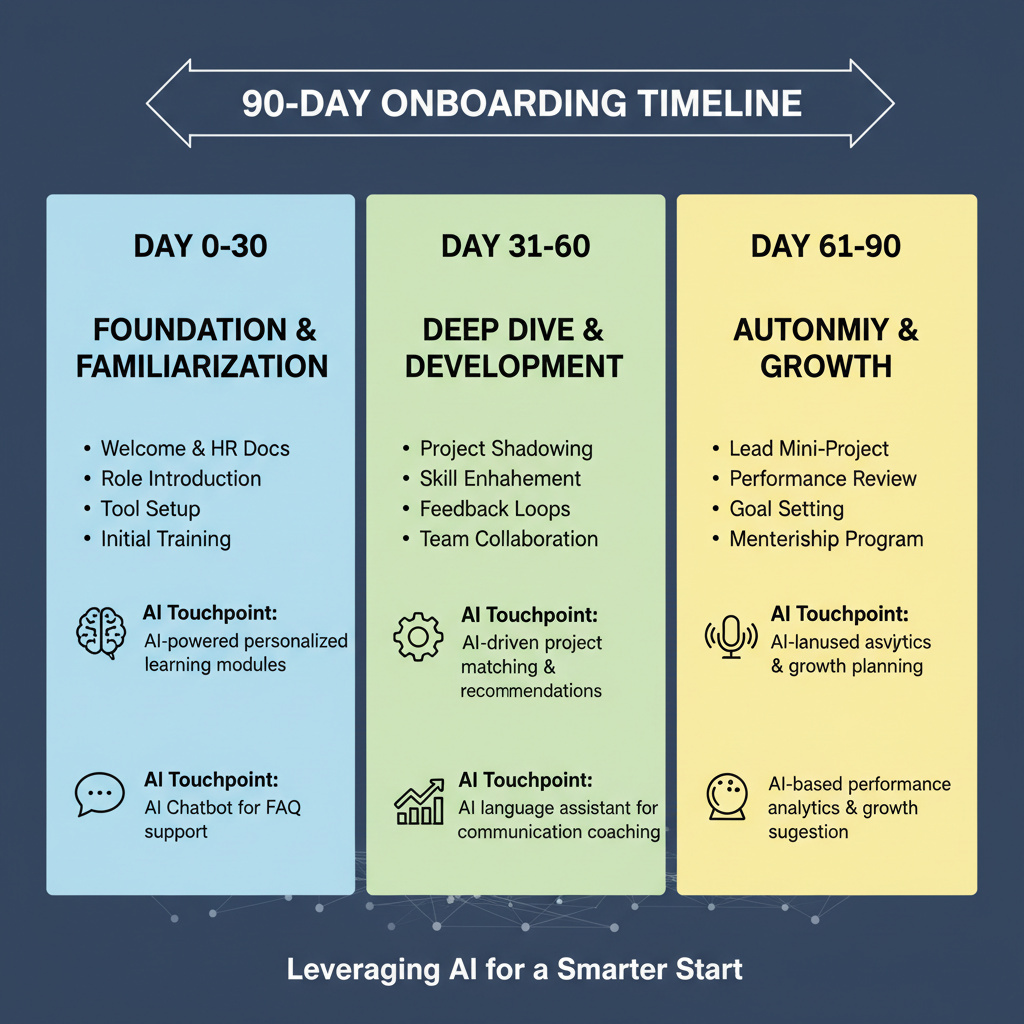
At the core of this transformation is AI-driven personalization. Gone are the days of one-size-fits-all training. Today’s systems analyze a new hire’s role, location, and skill set to deliver tailored learning paths. A remote software engineer might receive coding tutorials, while an in-office sales rep gets customer relationship management tools. This approach accelerates time-to-productivity, a key metric for onboarding success.
Continuous onboarding, lasting at least 90 days, has replaced the outdated week-one model. Automation ensures ongoing support by monitoring skill acquisition and identifying disengagement signals. Predictive analytics, for example, flag at-risk employees early, enabling proactive interventions. This strategy ensures new hires not only adapt but thrive.
Microlearning enhances this process, catering to employees’ busy schedules. Automated platforms deliver concise, on-demand content, reducing the burden on support teams and fostering self-directed learning.
Key areas for quick wins include:
- Preboarding: Streamline paperwork before day one.
- IT provisioning: Automate access and device setups.
- Training assignments: Adapt to roles and track completion.
By automating these tasks, teams can focus on mentorship and culture-building—elements technology can’t replace.
In today’s hybrid work environment, mobile-first design is essential. New hires expect to complete onboarding tasks on their smartphones, ensuring a frictionless experience. For AI and automation enthusiasts, this is a prime example of user-centric tech in action.
AI routing takes efficiency further. Decisions are made instantly based on variables like location or seniority, ensuring tailored experiences for every hire. Centralizing learning content in unified AI systems eliminates chaos, making navigation intuitive and effective.
Data-driven analytics turn onboarding into a measurable success. Dashboards track metrics like retention rates and engagement scores, enabling continuous improvement. Forward-thinking organizations use these insights to refine their automated training programs.
Adoption of AI onboarding tech is on the rise. By 2025, 81% of companies plan to invest in these tools, with 62% of HR leaders already leveraging AI for task automation. Challenges remain, but the momentum is undeniable.
Gartner predicts that by 2026, 40% of enterprise apps will feature task-specific AI agents. This shift redefines onboarding, making it adaptable and responsive. However, technology must complement human interaction. Automation handles logistics, but relationships drive success.
Compliance is non-negotiable. Automated systems ensure protocols for access controls and ongoing checks, reducing risks while allowing teams to focus on engagement.
As hybrid and remote models become the norm, flexible onboarding is essential. Location-aware workflows deliver resources tailored to each hire’s needs, ensuring smooth integration.
The skills gap amplifies the need for training automation. New hires must quickly master digital tools and AI collaboration. Platforms that offer instant feedback and customized paths help bridge this gap.
In summary, continuous onboarding automation isn’t optional—it’s essential for success. By leveraging AI for personalized support, companies achieve higher retention and innovation. For those at the forefront of automation, this is an opportunity to lead the way in talent development. The future of work begins with smarter onboarding—are you ready to build yours?
Book a 15 minute discovery call to find out more today at https://digifidelis.com/calendar/